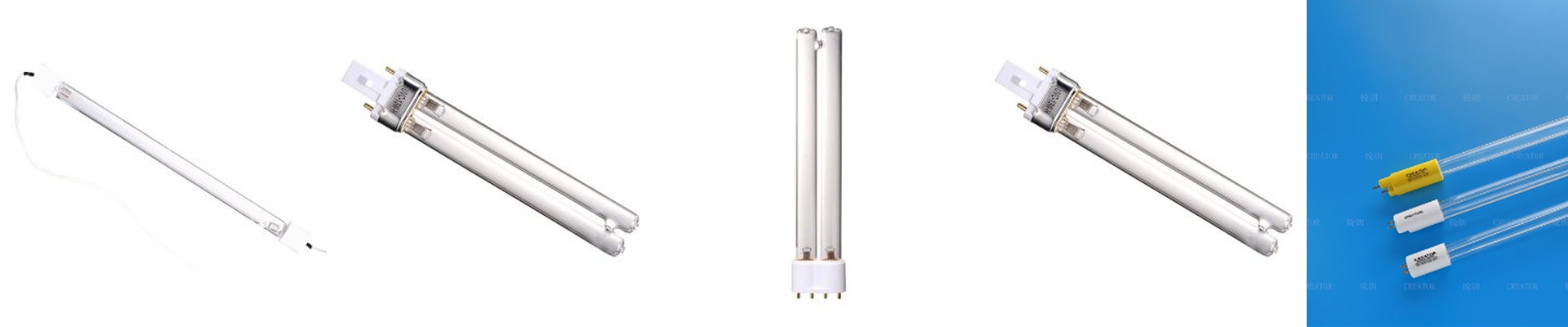
Let’s Talk UV Germicidal Lamp Safety
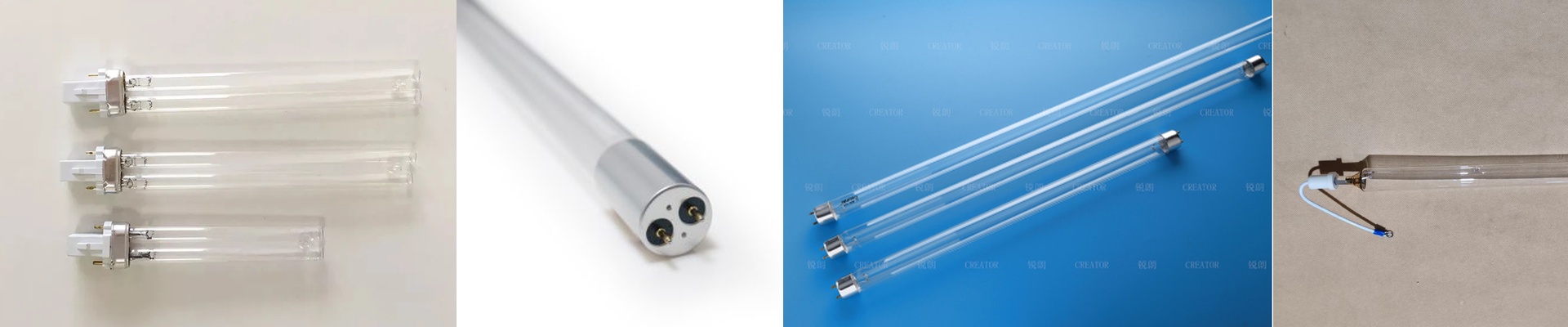
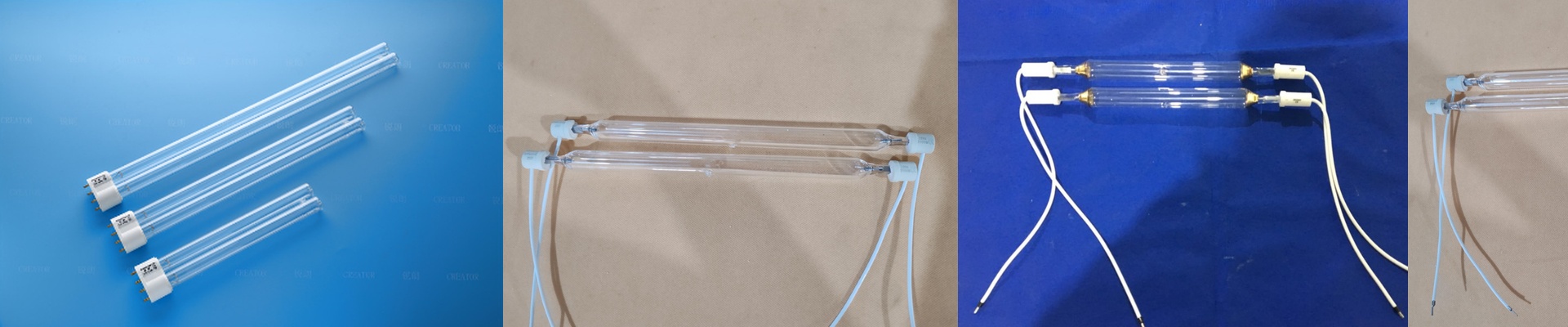
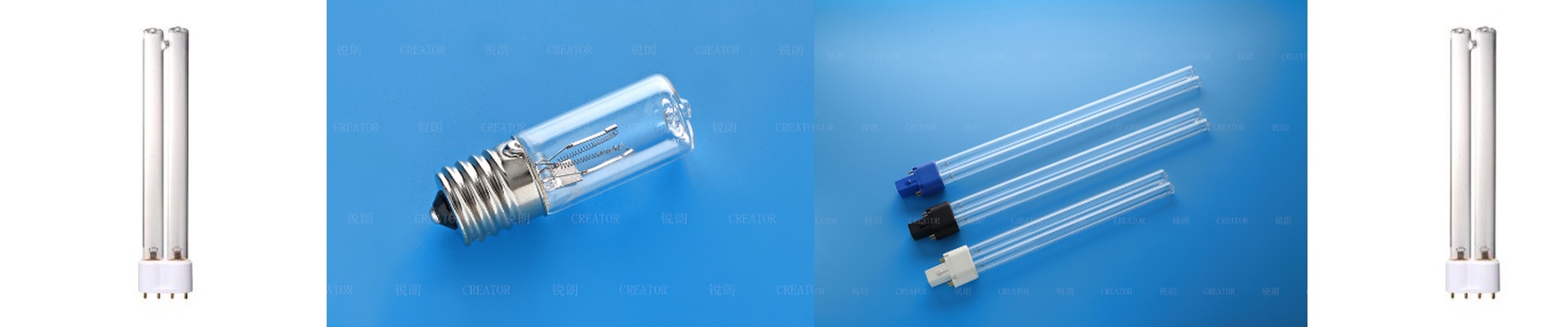
Look, UV-C lamps are powerful. They work at about 254nm to basically shred microbial DNA. But that same power is what makes them dangerous. We’re talking immediate skin burns and permanent eye damage. Because of that, you can’t just treat these like a regular lightbulb you’d put in a desk lamp. They need a completely different approach.
Getting the Power Right
We spend a lot of time calibrating these lamps to stay right between 250-260nm. If that spectrum drifts even a little, you’re not actually sterilizing anything anymore. To make sure the light actually gets out, we use high-purity quartz glass. Standard glass would just soak up the UV, which is a waste. Now, if you go with high-wattage tubes, you’ll kill germs faster, but they gethot. Really hot. If you don’t get your ballasts and cooling fans dialed in, the tube will just burn out. It’s as simple as that.
Keeping Things Contained
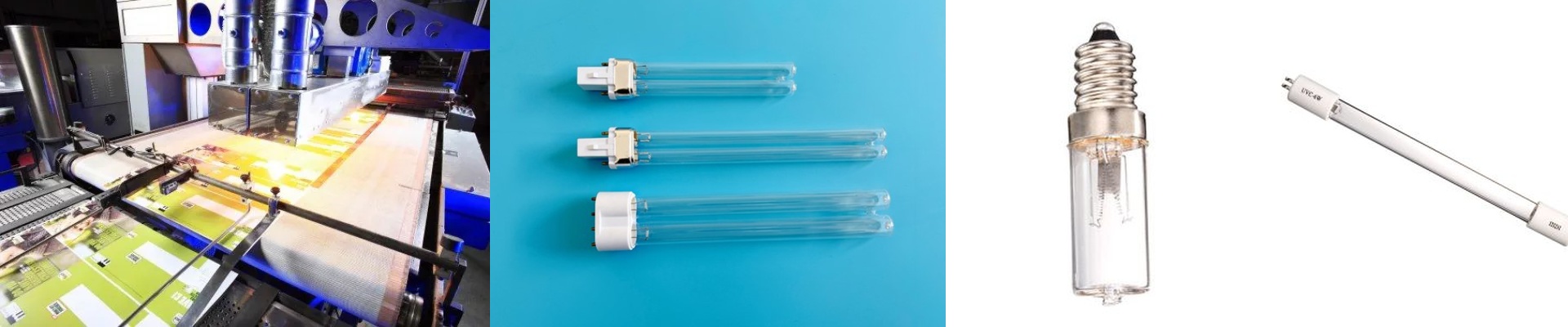
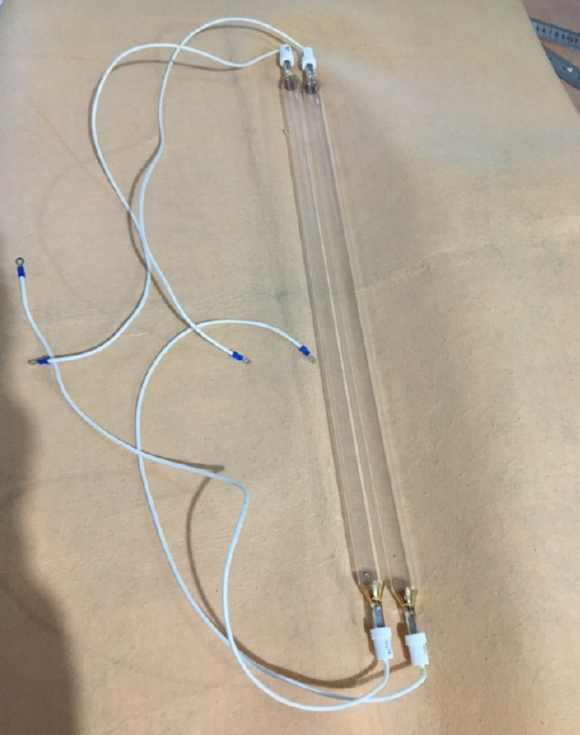
A bare UV lamp is basically a liability waiting to happen. That’s why we tuck them into shielded housings with safety interlocks. The goal is simple: the second a door swings open or a sensor trips, the power kills instantly. We also use aluminum reflectors to bounce those rays back toward the target. It makes the system more efficient and, more importantly, keeps the radiation where it belongs.
The Maintenance Trap
Installing the lamps is the easy part. It’s the upkeep where things usually go sideways. Here is a pro tip:Never touch the quartz glass with your bare hands. The oils from your skin create these tiny hot spots. When the lamp heats up, those spots cause the glass to crack under the stress. If you need to clean them, just use some isopropyl alcohol and a lint-free cloth. And here’s the tricky part—UV output fades over time. Your lamp might still be glowing a pretty blue, but that doesn’t mean it’s working. The actual germicidal punch might have already dropped below what you need. Keep a close eye on the run-hours. Swap them out before the sterilization rate dips, or you’re just running a very expensive blue light.