Getting Your UV Curing Right for High-Volume Production
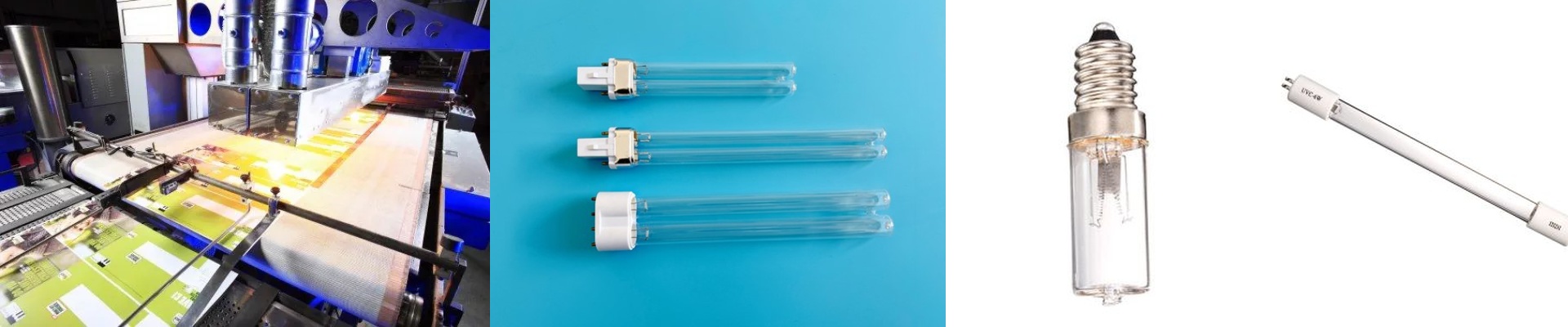
UV curing is basically just a chemistry game. You need the right amount of ultraviolet energy to hit your product at the right time to make the ink or resin snap into place. With production lines moving faster than ever, there’s no room for “close enough.” You need precision. That’s exactly why we build our custom lamps—to hit those specific energy targets without the guesswork.
Speed vs. Power: Finding the Sweet Spot
Here is the thing: if you crank up your conveyor speed, your curing time drops. To keep your quality from tanking, you have to bump up the irradiance (the mW/cm²). It’s a balancing act between wattage, wavelength, and how long the product actually sits under the light. We spec our tubes to match the output of the big-name, Tier-1 brands. Why? Because if your wavelength is off by even a few nanometers, you’re in trouble. You’ll end up with a tacky surface that feels sticky to the touch or coating that just peels right off. We make sure the light matches your specific photoinitiators so the cure is rock solid.
Heat is the Enemy
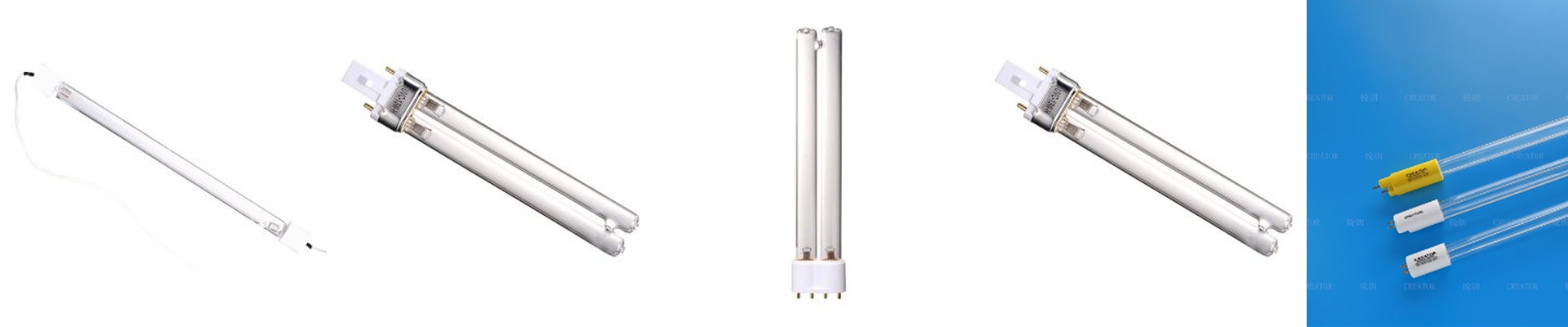
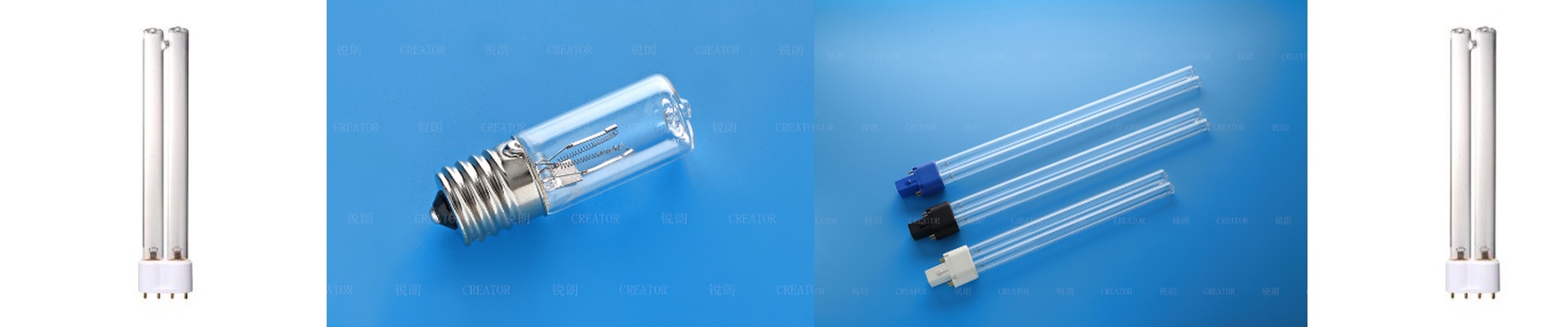
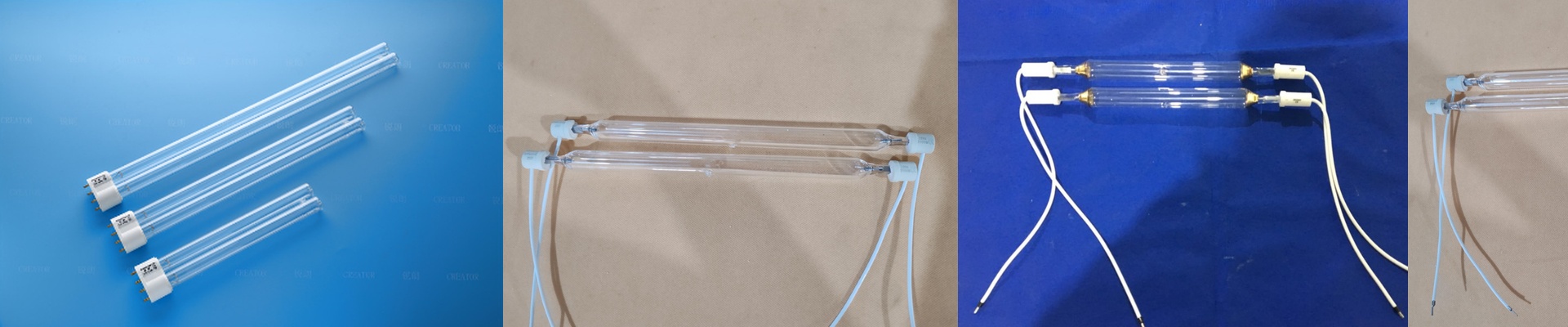
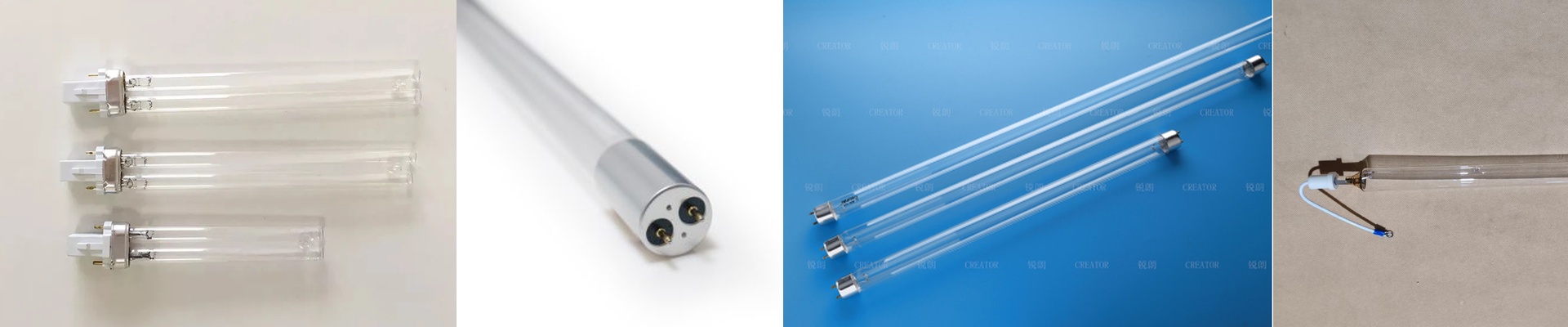
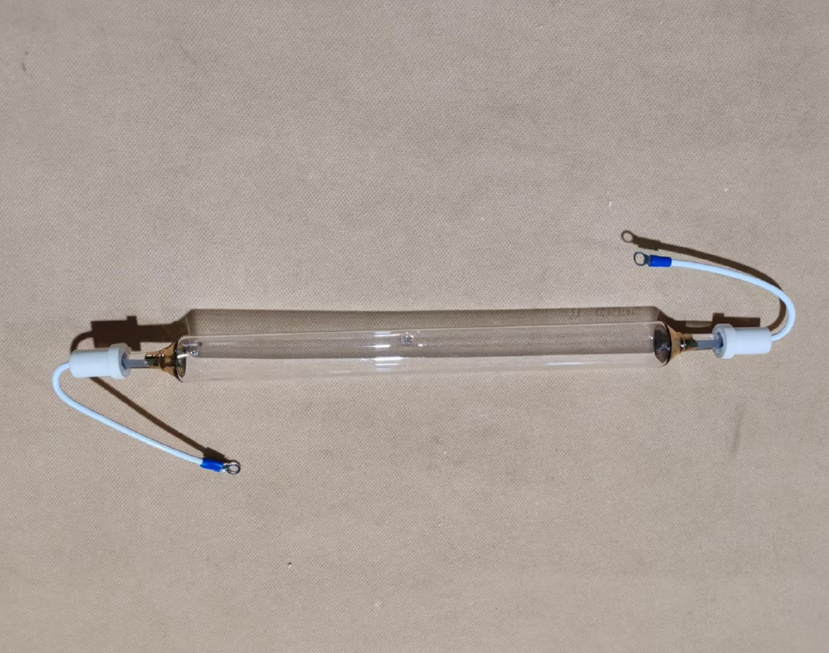
High-intensity lamps get hot. Really hot. To stop your tubes from burning out too early, we use high-purity quartz. It lets the UV light through while standing up to the heat. We also use industry-standard pins, so you can just drop these into your existing rigs without having to rewire your entire floor. But you’ve got to keep an eye on your cooling. A powerful lamp is great, but if your air-cooling or water-jackets can’t keep up, you’ll literally bake your substrate. Plus, when a tube overheats, the spectral peak shifts. Once that happens, your cure rate drops, and you’re back to square one.
No Fluff, Just Results
We aren’t into the sales pitch. We just benchmark our lamps against the most expensive names in the business. If our custom lamp doesn’t hit the same surface hardness or cross-linking density as the premium brands, we’ll give you your money back. Simple as that. We build these things to take a beating in 24/7 factory environments because we know that in your world, downtime is the only thing that really matters.