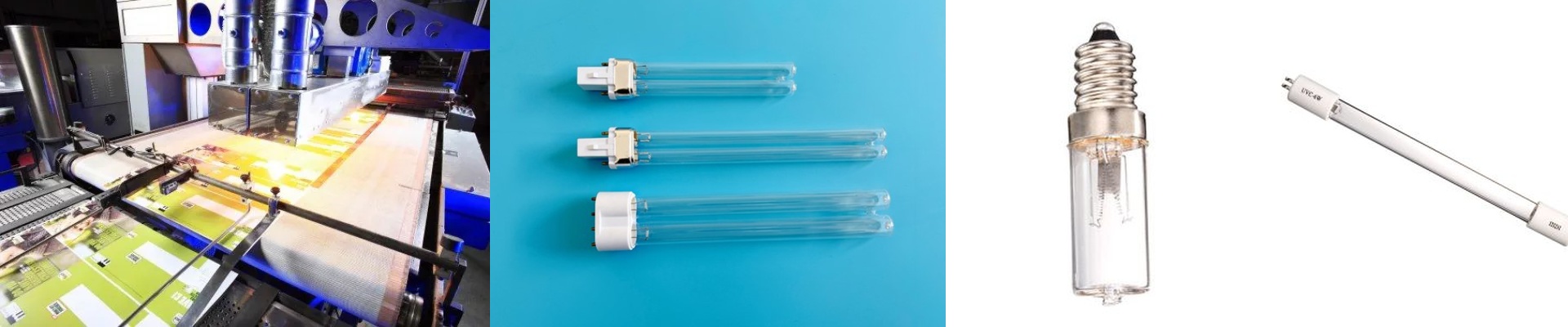
Getting Your Textile Curing Right: The Truth About Quartz UV Lamps
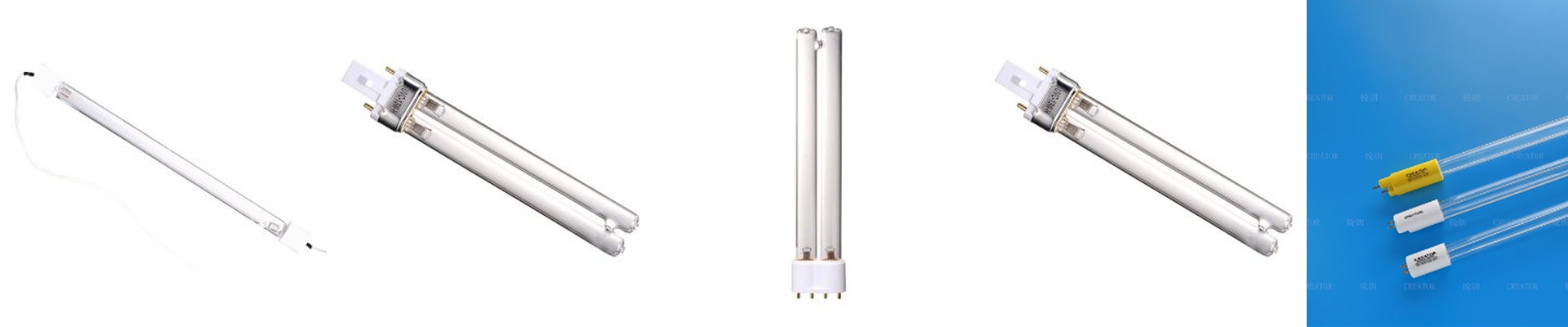
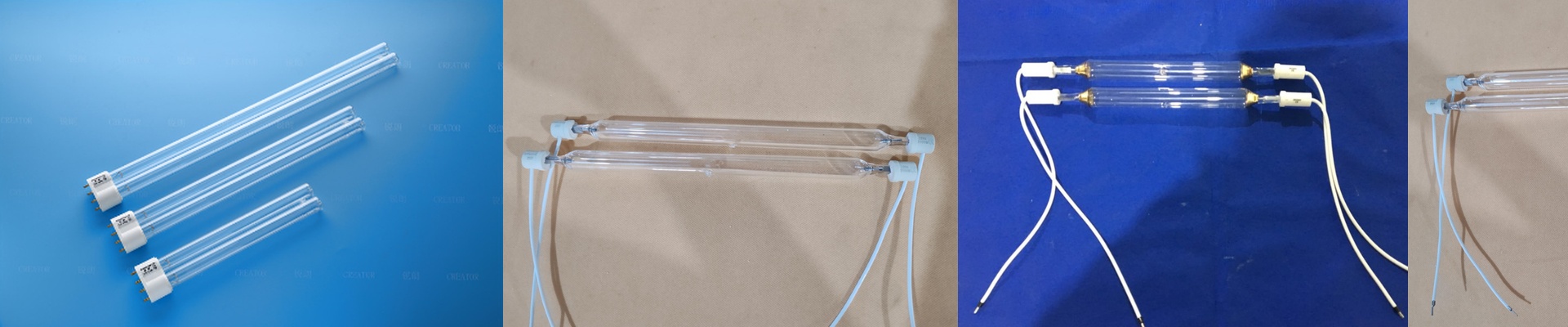
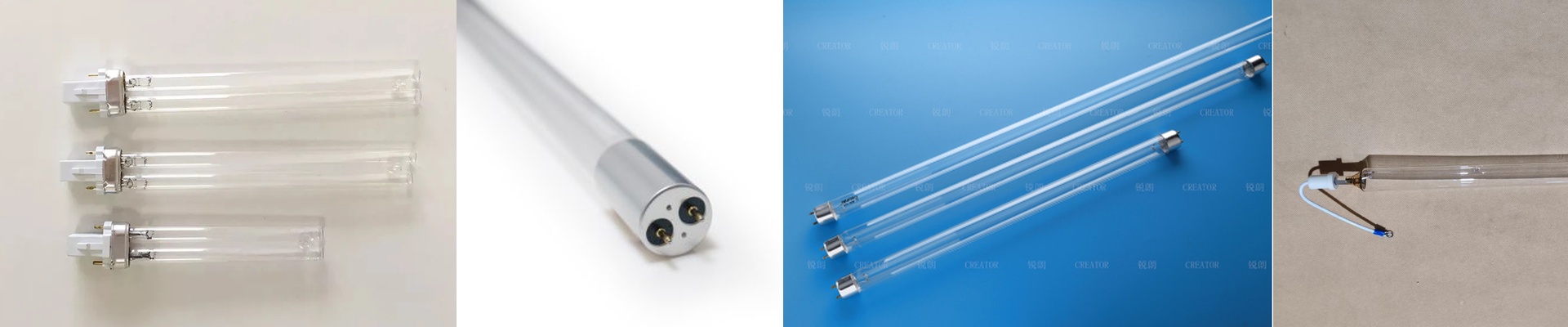
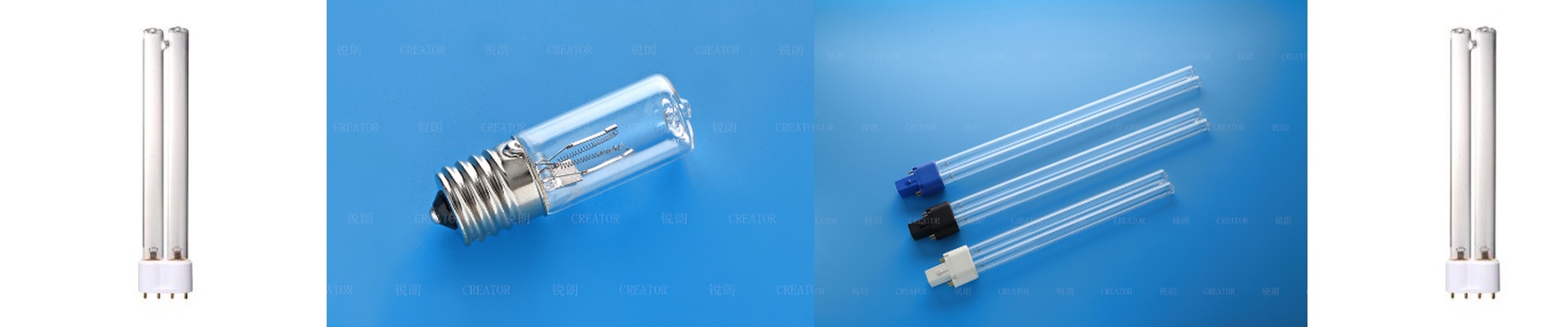
If you’ve spent any time on a production floor, you know that the magic happens in the finishing. From the first roll of raw fabric to the final garment, those UV lamps are basically the unsung heroes of the whole operation. They’re the ones doing the heavy lifting, using high-purity quartz to hit inks, coatings, and glues with the exact light they need to set instantly.
Why Quartz? (And why regular glass fails)
Here is the thing about UV light: it doesn’t like standard glass. Regular glass just blocks the radiation, meaning your curing agent sits there doing nothing. That’s why we use fused quartz. It lets the shortwave UV pass right through so the fabric actually reacts. But you can’t just throw any tube in there. You have to get the wattage and length just right to keep the light steady across the entire web of fabric. If you decide to crank up your line speed, you’ve got a choice: bump up the wattage or move the lamps closer. If you don’t, you’ll end up with those annoying “under-cure” streaks that ruin a whole batch.
The Balancing Act
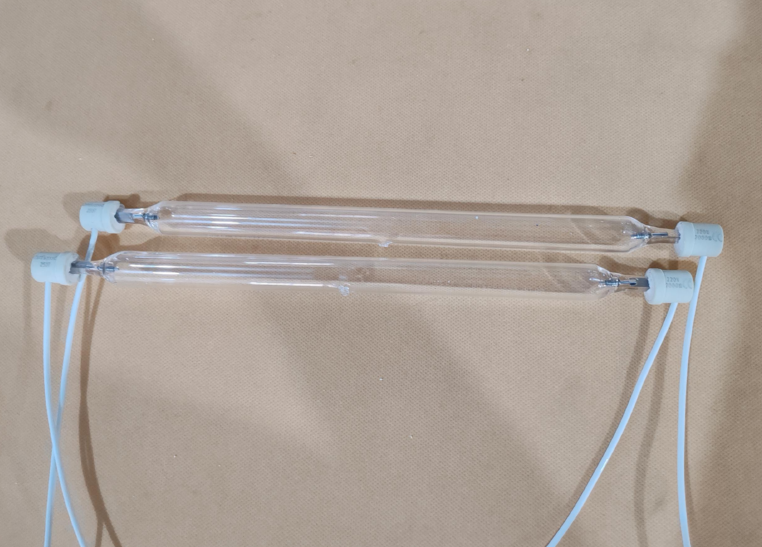
Most of our tubes run on high-pressure mercury vapor. Because they get incredibly hot, the quartz has to be tough enough to handle the expansion without cracking. We make these to slide right into your existing OEM housings, but keep an eye on your ballast settings. It’s a bit of a trade-off. If you push a tube to its absolute limit to get more speed, it’s going to burn out faster. It’s a simple choice between how fast you want to move and how often you want to replace your lamps.
Real-World Tips for the Shop Floor
In a busy plant, these lamps usually handle three big jobs: *Setting inkfor screen prints in a matter of seconds. *Locking in coatingslike water-repellents or flame retardants. *Bonding laminateswithout using a heat-press (which, as we know, can shrink the fabric). One quick piece of advice: make sure your power source is stabilized. A single voltage spike can fry your electrodes in a heartbeat. And please, clean your reflectors every week. It sounds like a chore, but a thin layer of textile dust can kill your UV output by 20%. When that happens, you’re forced to slow down the whole line just to get the same result. It’s not worth the headache.