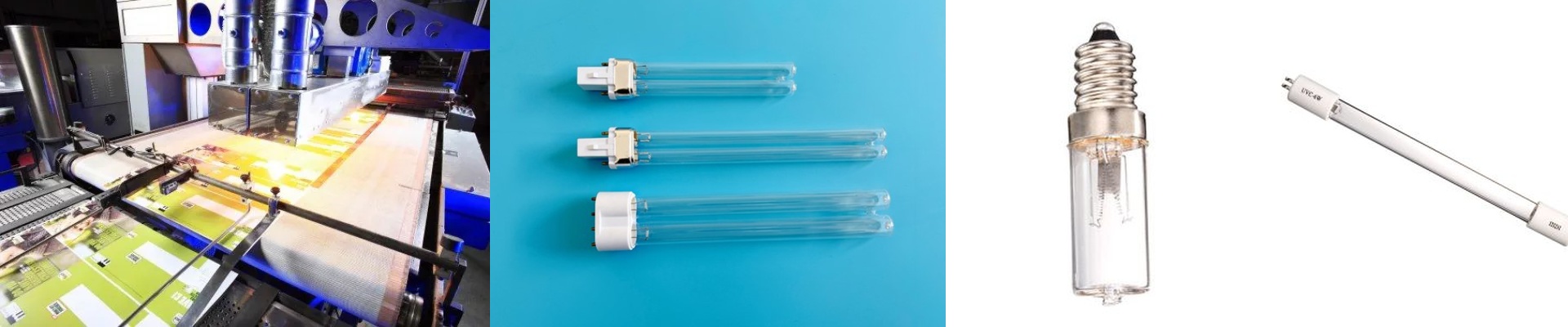
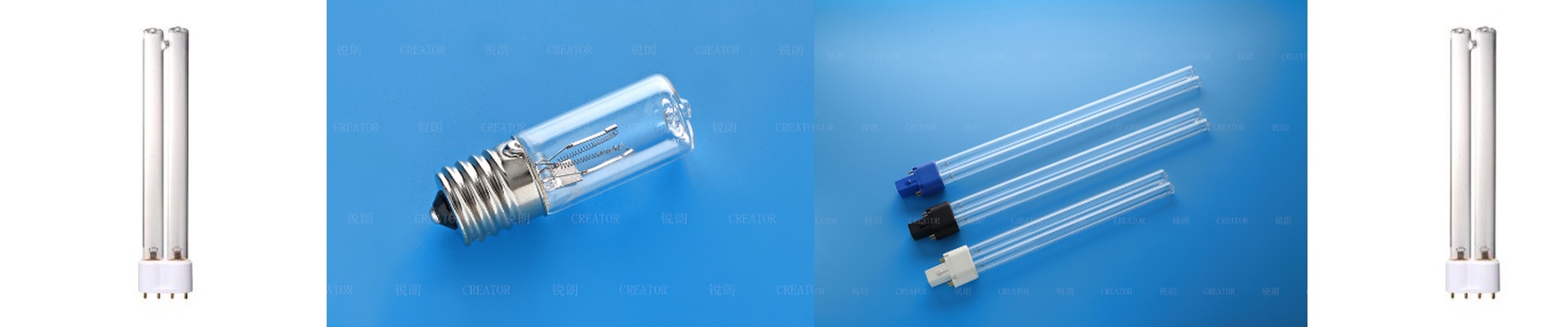
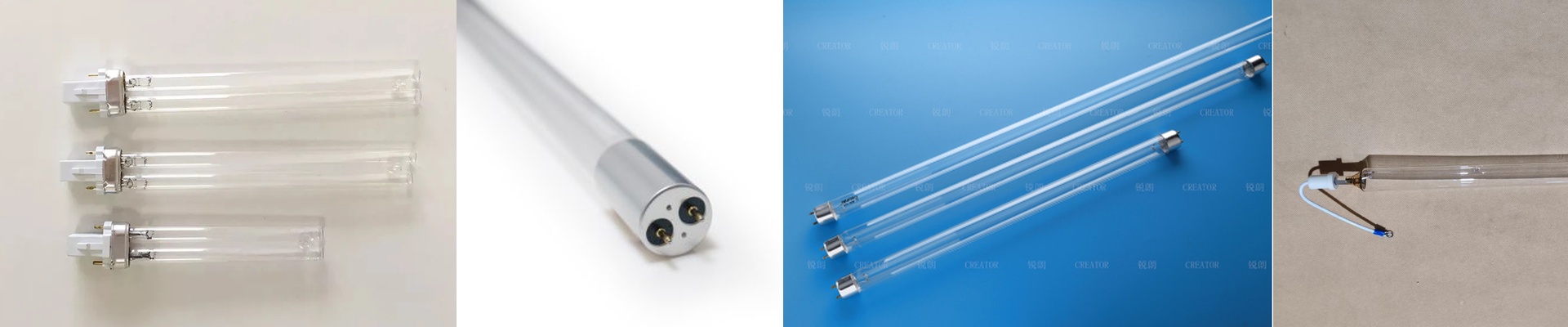
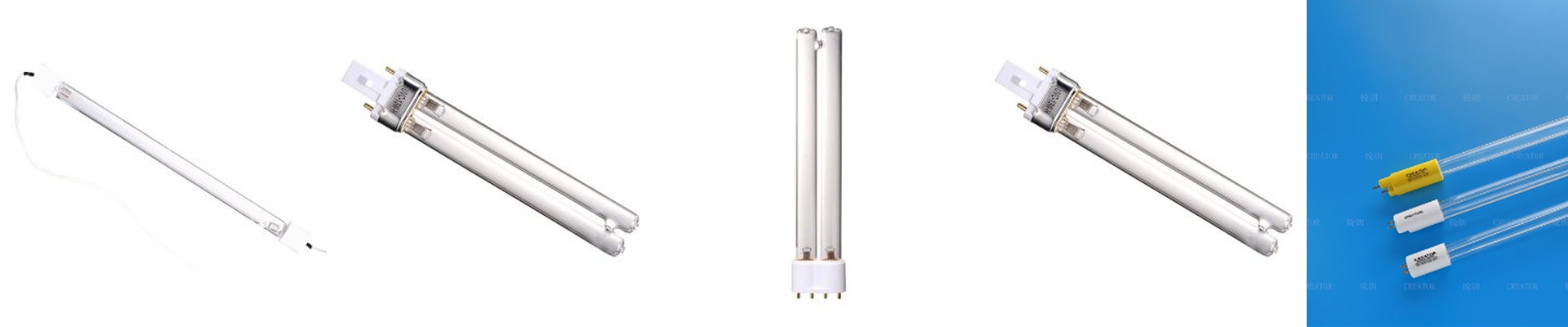
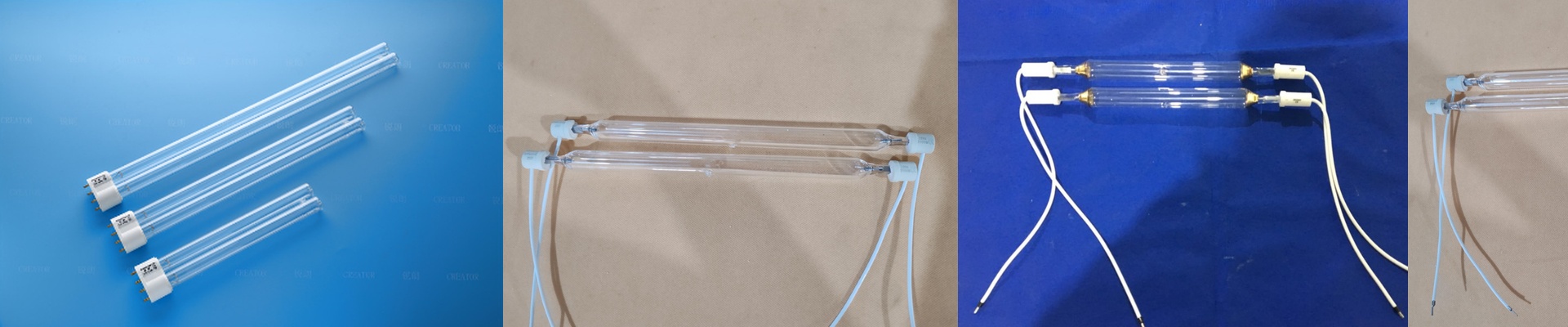
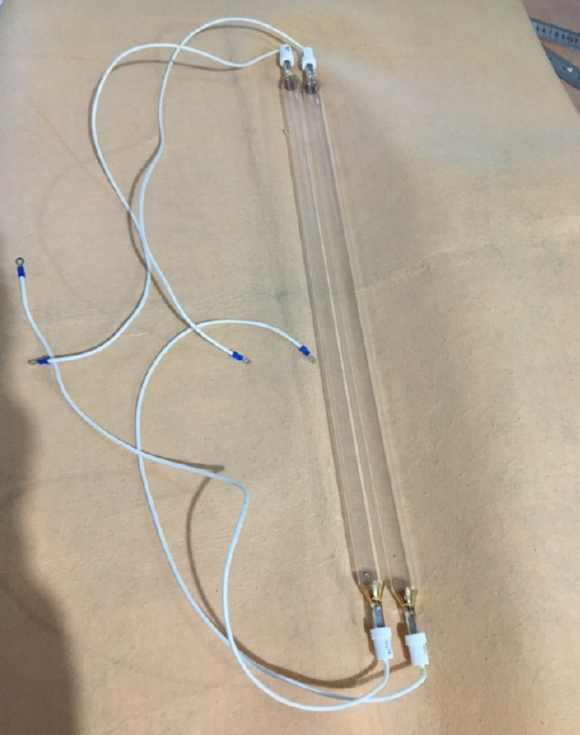
Stop Guessing if Your UV Lamps are Actually Working
In industrial sterilization, consistency is everything. But here’s the problem: UV lamps don’t always just “pop” and go dark. Usually, they just get weaker. And unless you’re checking every single bulb manually, you might not realize you’ve got a problem until a whole batch fails quality control. That’s a nightmare nobody wants. We’re moving away from those “blind” bulbs and building systems that actually talk to you—telling you exactly how much energy they’re using and how much punch they’ve still got.
How the monitoring actually works
Think of a standard UV lamp as a black box. You turn it on, you hope it works. To fix that, we’ve started putting current sensors and IoT gateways right into the ballast. By keeping an eye on the wattage and voltage, the system can tell when a lamp is starting to tire out. You get to see that decline on a dashboard in real-time. It’s not about flashy software or “innovation” for the sake of it. It’s just hard data. We track the kilowatt-hours per unit so you know exactly what each sterilization cycle is costing you.
The trade-offs (because nothing is perfect)
Now, adding this gear means the power supply takes up a bit more room. You can’t just plug these into a wall outlet; you’ll need a networked control cabinet to handle the data. And yeah, the wiring gets a bit more complex. If your shop is full of heavy machinery that kicks off a lot of electromagnetic interference, you’ll need shielded cables. Otherwise, the energy readings get messy. It’s a small price to pay for actually knowing what’s happening inside your machines.
What this means for the engineers
This changes the whole vibe of maintenance. Instead of “fixing it when it breaks,” you just schedule a swap. You look at the actual run-hours and replace the lamps before they cause a headache. We’ve made these systems easy to drop into existing UV tunnels. You swap the ballast, hook it up to your network, and you’re done. No more guessing during energy audits and no more worrying if your UV dose is slipping outside the safe zone. You just know.