Getting Your UV Curing Right
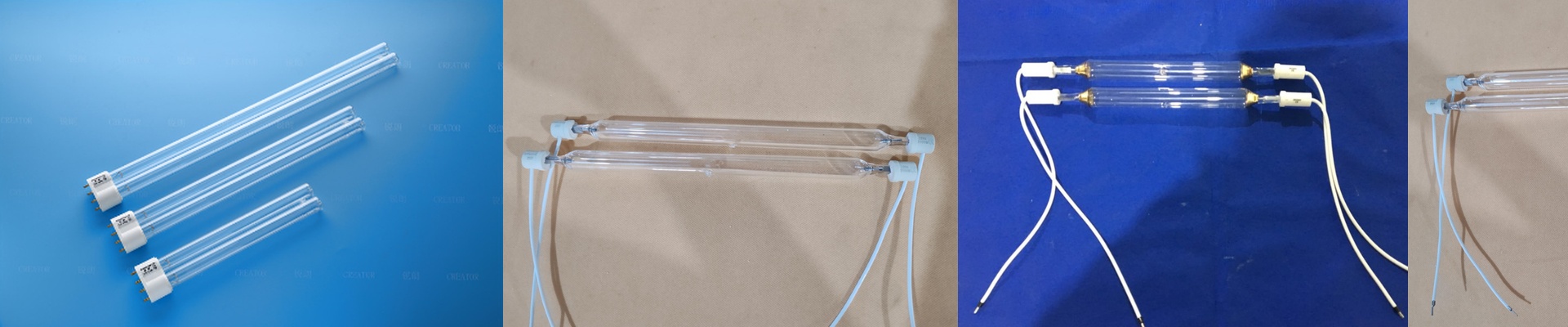
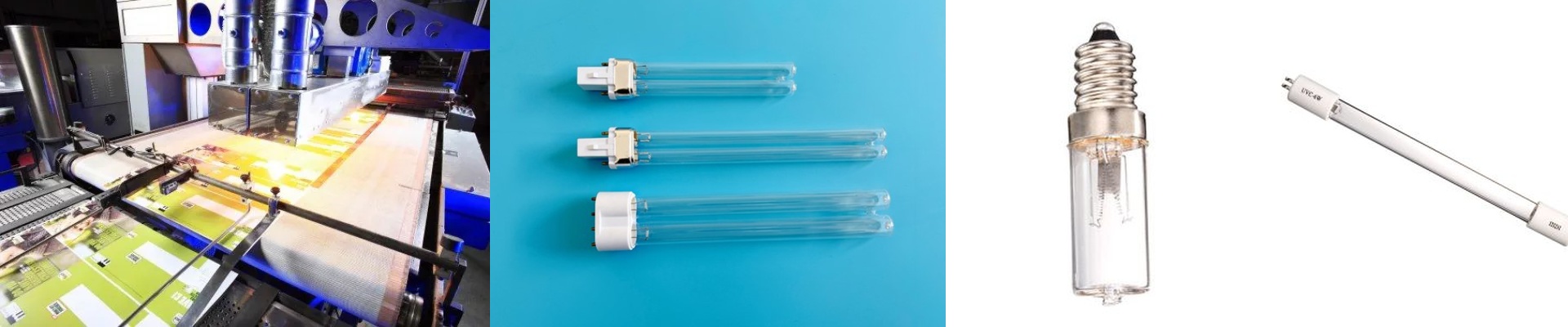
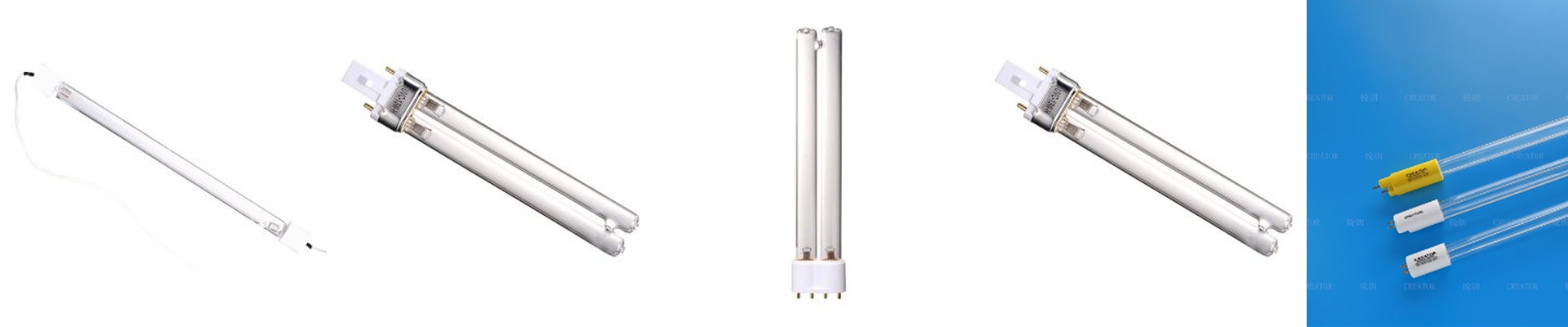
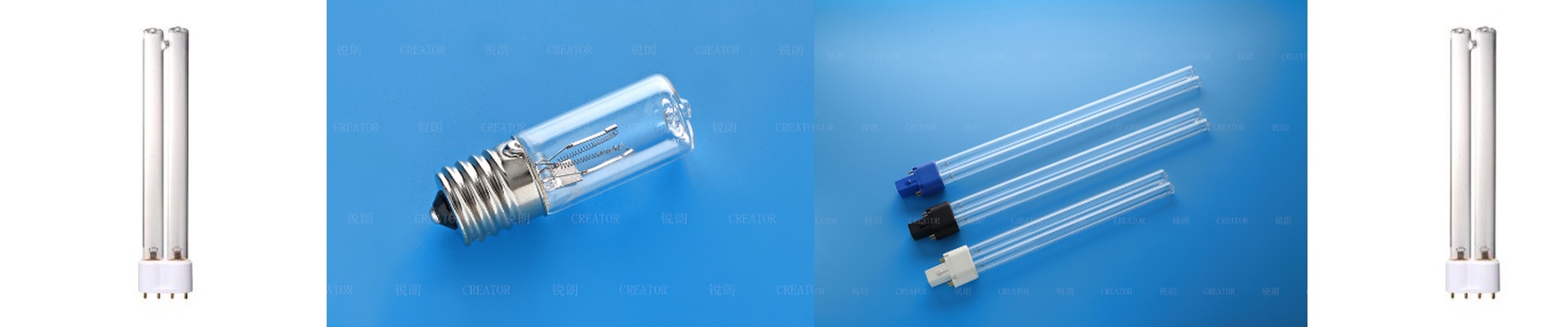
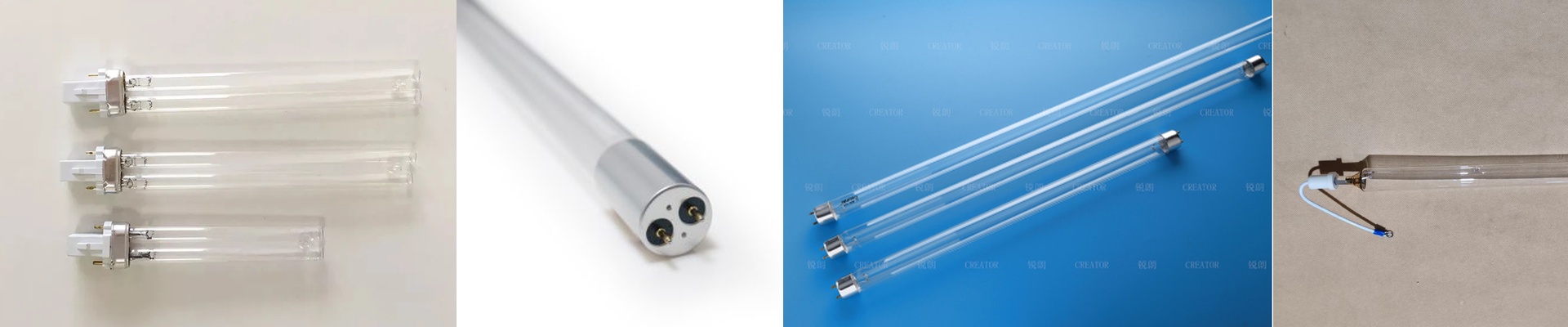
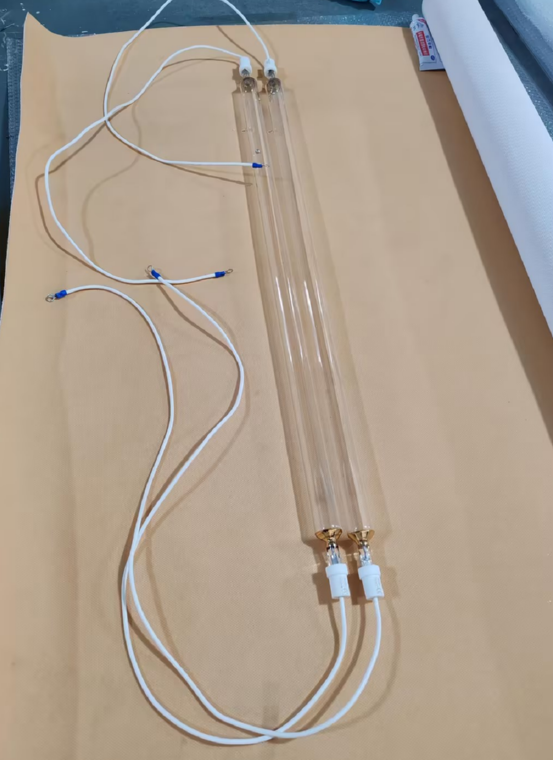
At the end of the day, industrial printing is just a chemistry game. You’ve got liquid ink that needs to turn into a solid, permanent finish—and it needs to happen now. That’s where we come in. We provide the UV punch needed to lock that ink onto your material so you don’t have to worry about smudges, bleeds, or messy mistakes. The balancing act of power and heat Here is the thing about UV lamps: it’s all about the settings. If you want your line to move faster, you need more wattage. Simple, right? But there’s a catch. More power means more heat. If you crank up the wattage without a solid cooling system, you’re going to run into trouble. We’ve seen it happen—thin plastics warping or prints actually scorching. It’s a headache you don’t need. We spend our time tweaking the tube length and voltage so you get the exact energy you need without melting your product. The guts of the lamp We don’t use cheap glass. We use high-purity quartz. Why? Because standard glass would just soak up the UV rays or, worse, melt under the pressure. Quartz lets the light fly through. We also beefed up the electrodes. If you’re constantly switching your rigs on and off, cheap lamps burn out fast. Ours are built to take the hit. Plus, they’re designed as drop-in replacements. You just swap them out. No need to rip open your walls and rewire the whole ballast system. Real-world talk In a perfect world, you’d have infinite power and zero heat. In the real world, it’s a trade-off. Sure, high-intensity lamps cure ink in a blink, but they wear out faster. My best advice? Keep a close eye on your hour-meter. The moment your UV output dips, your ink starts feeling tacky. That’s the danger zone. If you wait until the lamp completely dies, you’re looking at wasted materials and a dead production line. Swap them out a little early. It’s a lot cheaper than a total shutdown.