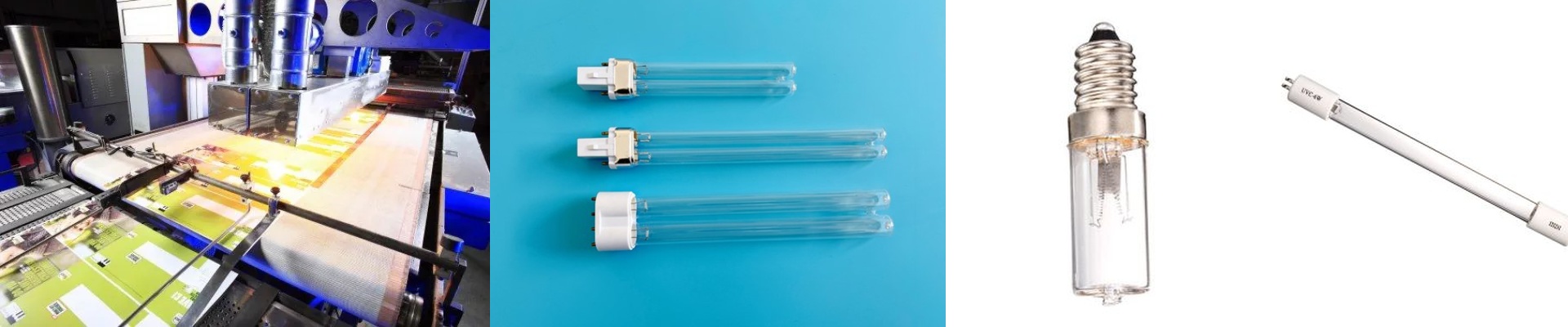
Stop Guessing With Your UV Lamps
For a long time, mercury UV bulbs have been “blind.” You pop them in, run them until the light fades, and swap them out based on a timer. It’s a guessing game. We’re tired of that, so we’re changing how it works. The new way? We’re putting remote energy monitoring right into the lamp circuitry. Now, you can actually see how they’re performing in real-time. How the magic happens Here’s the thing: mercury UV bulbs need a very specific balance of voltage and current to keep that plasma arc stable. By keeping an eye on the power draw at the ballast, we can tell exactly what’s happening inside the bulb. If the wattage starts shifting, it usually means one of two things: the bulb is about to die, or the quartz envelope is getting dirty. Instead of waiting for a total failure that kills your production line, you get a heads-up. The nuts and bolts We’ve added sensors to the power supply that send data straight to your PLC or a cloud dashboard. If you’re running a massive array of stations, you can see exactly how many kilowatt-hours every single lamp is eating. But I want to be honest about the trade-offs. Adding this hardware means your electrical cabinet will be a bit bigger. Also, you can’t just slide these into an old system and expect them to work. You’ll need to update your wiring and make sure you’re using a compatible smart ballast. Why this actually matters If you’re managing high-volume curing or sterilization lines, this just makes your life easier. No more tossing bulbs that still have 20% of their life left. And more importantly, no more running “zombie” bulbs—those lamps that look lit to the naked eye but aren’t actually putting out the UVC wavelength you need. You get a hard data log of your energy use. It makes planning your plant’s power requirements a lot less stressful.