More Than Just a Sticker: The Real Deal with CE Certification
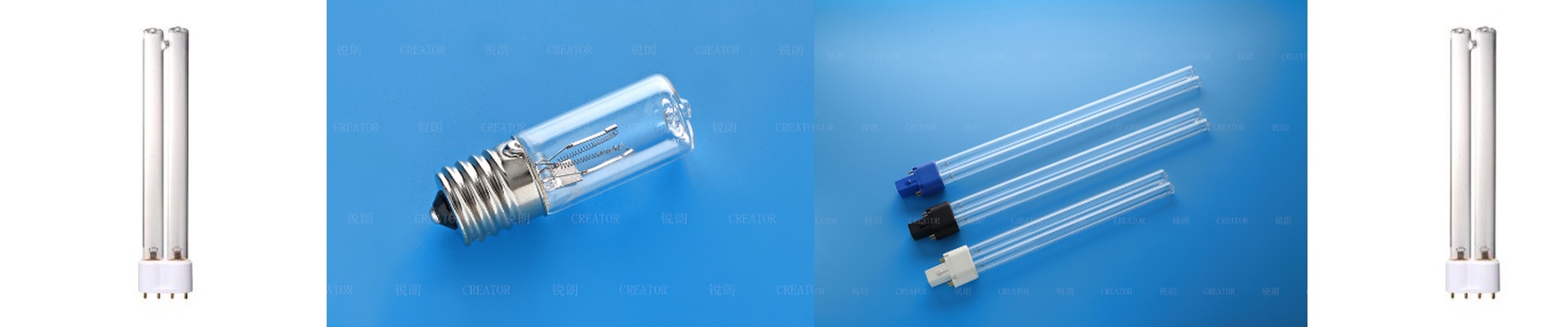
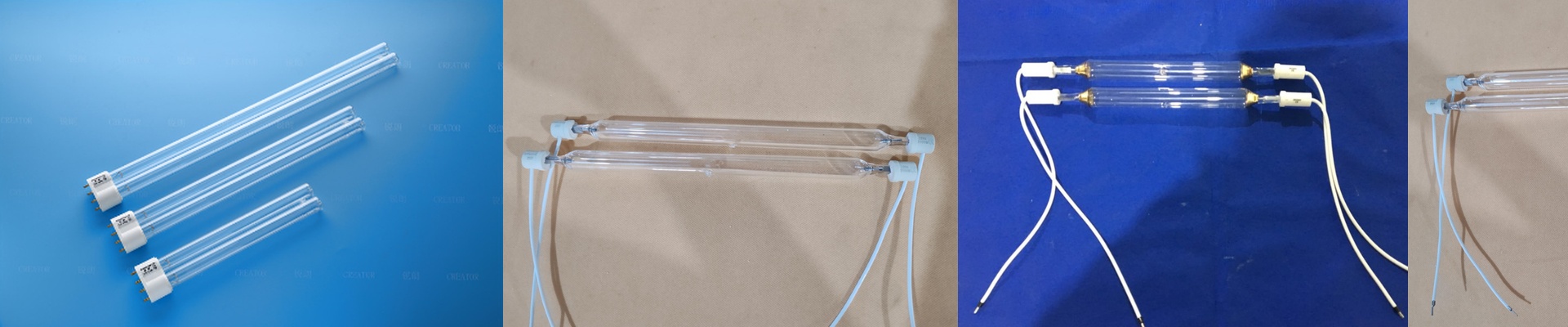
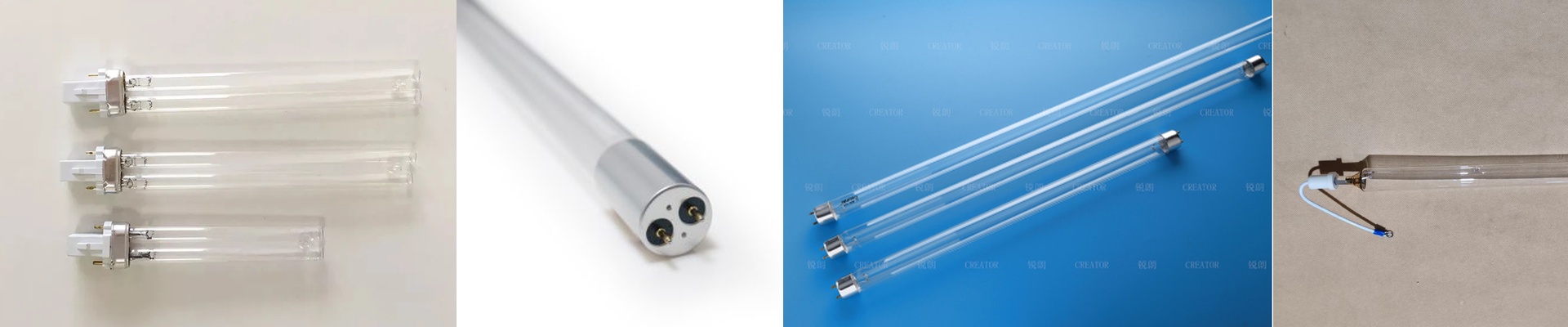
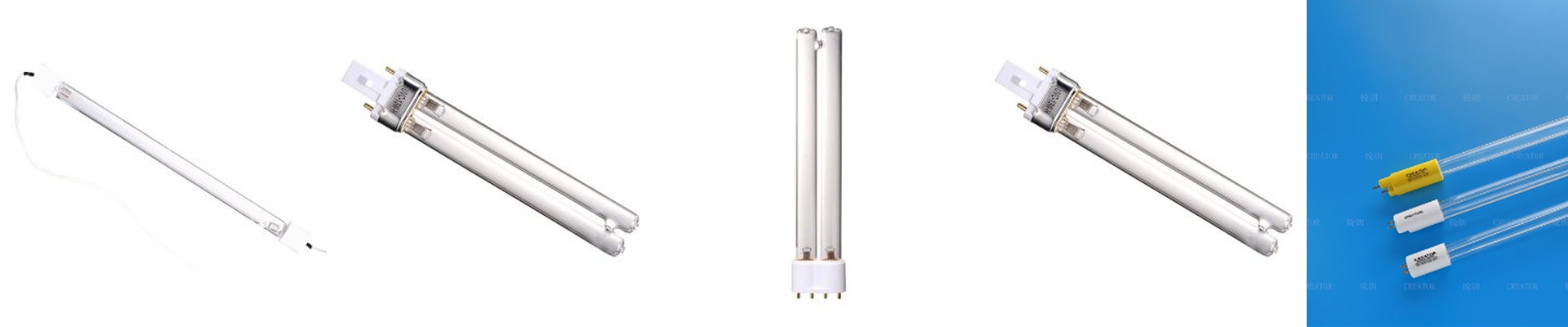
If you’re sourcing UV lamps from China, you’ll see the CE mark everywhere. Some people treat it like a formality—just a little sticker to get the shipment through customs without a headache. But here’s the thing: that mark actually represents a technical floor. When we build our lamps to meet LVD and EMC standards, we aren’t just checking a box. We’re making sure your equipment doesn’t act up. Without those specs, you’re basically gambling. You might end up with electrical noise messing with your PLC systems or, in a worst-case scenario, a ballast that overheats until it fails. It comes down to what’s under the hood. We don’t just toss a quartz tube and some wiring together and call it a day. We use specific insulation and flame-retardant housings that can actually survive the chaos of a factory floor. We also put them through dielectric strength tests. Why? Because industrial power grids aren’t always stable. Voltage spikes happen. If your lamp isn’t built to handle those jumps, it’ll burn out way sooner than it should. Then there’s the “ghost” problem. UV systems usually live right next to sensitive sensors and robotic controllers. If the high-frequency ballast isn’t shielded properly (which is what EMC compliance is all about), it leaks interference. Suddenly, your sensors start triggering for no reason. Your line stops. You’re staring at a machine that’s acting possessed, and you’ve got no idea why. We engineer our shielding to kill that noise so your line just… keeps running. Let’s be honest about the price. Certified lamps cost more. Period. You’re paying for the lab testing and the better components. Now, a cheap, non-certified lamp might look identical on a spec sheet. But the difference shows up later—usually as a leaky quartz seal or a connector that snaps. If you’re running a high-output PET blowing line or a curing station, a total failure is a nightmare. The “savings” from a cheap lamp vanish the second your production grinds to a halt. We stick to CE standards because we want you to have a part you can just drop in and forget about. No blown fuses. No surprises.