Getting Your UV-C Setup Up and Running (Without the Headache)
Here is the deal with germicidal UV lamps: they work by hitting microorganisms with a specific short-wave radiation (usually 253.7 nm) that basically breaks their DNA so they can’t multiply. But when you’re buying these in bulk, you aren’t just shopping for glass tubes. You’re making sure your sterilization systems actually stay online and don’t crash when you need them most.
The Nitty-Gritty on Output
We build these lamps to take a beating from constant on-and-off cycling. We use high-purity quartz glass because, honestly, if the glass is cheap or full of impurities, it blocks that 254nm wave. That means your sterilization takes longer, and nobody has time for that. One thing to watch out for:your ballast needs to match your lamp’s voltage exactly. If you push too much voltage through the lamp, you’re just killing the electrode. It burns out the cathode way faster than it should, and you’ll be replacing bulbs long before their expiration date.
Dealing with the “I Need It Yesterday” Problem
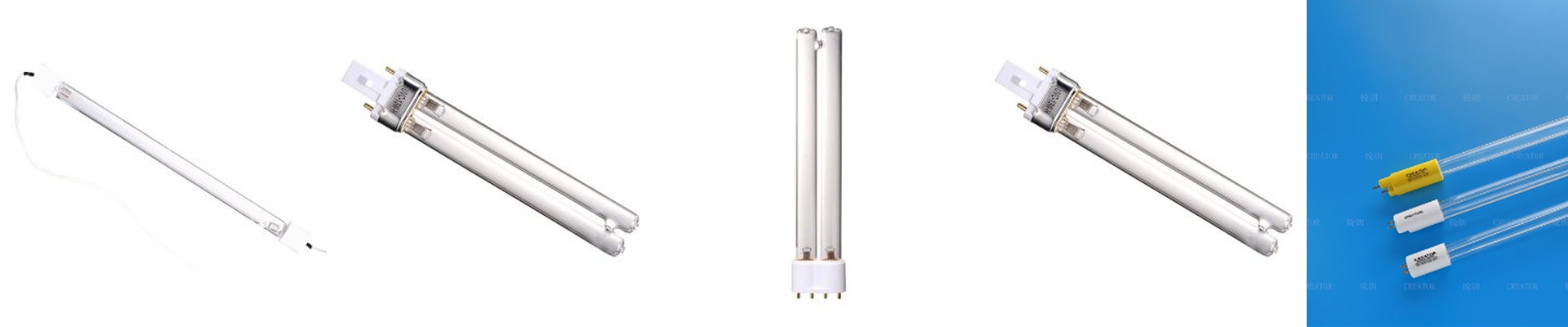
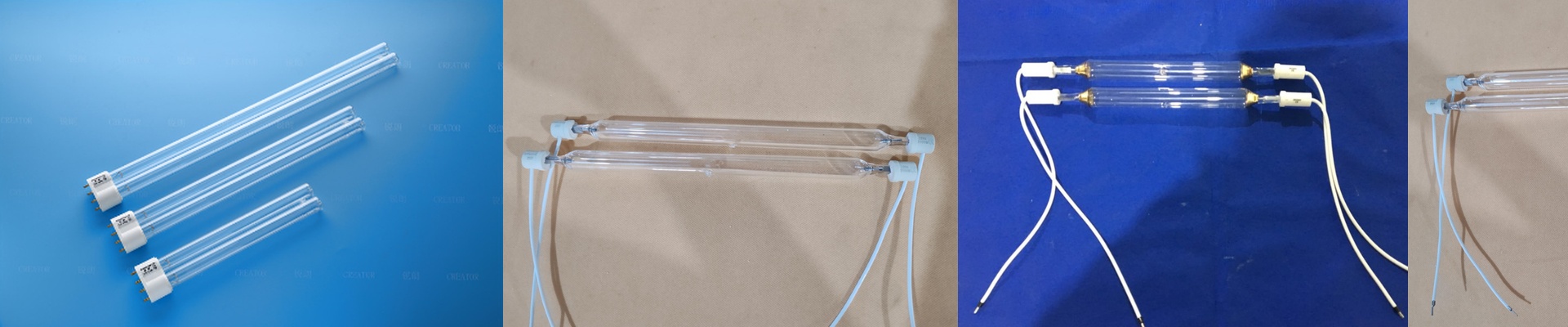
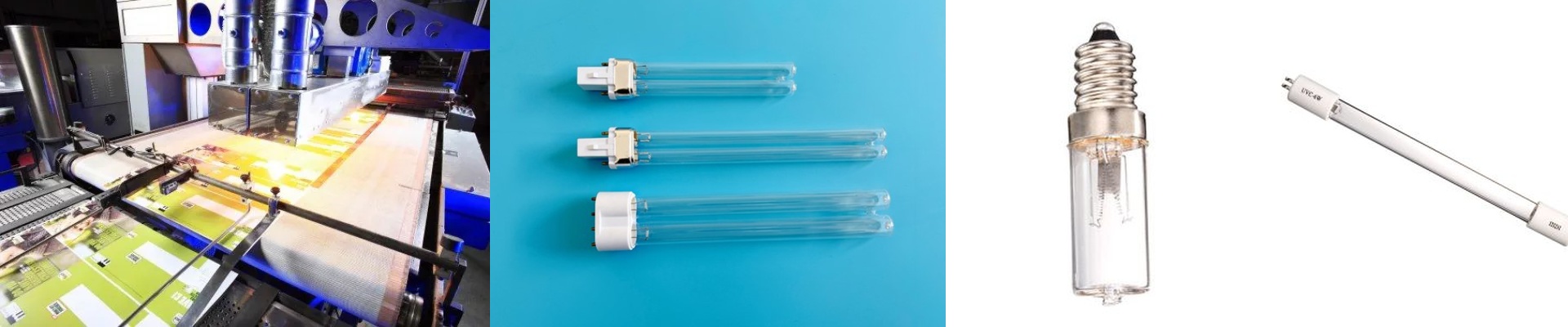
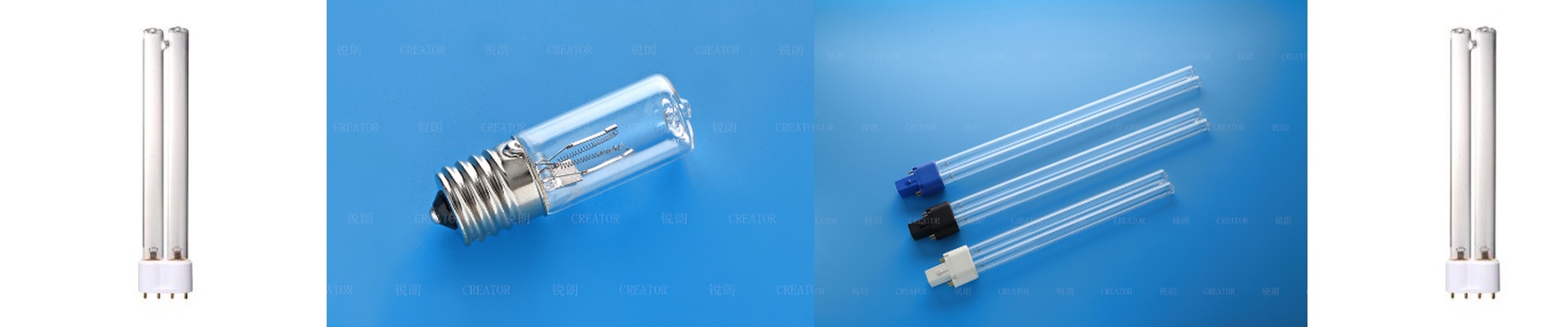
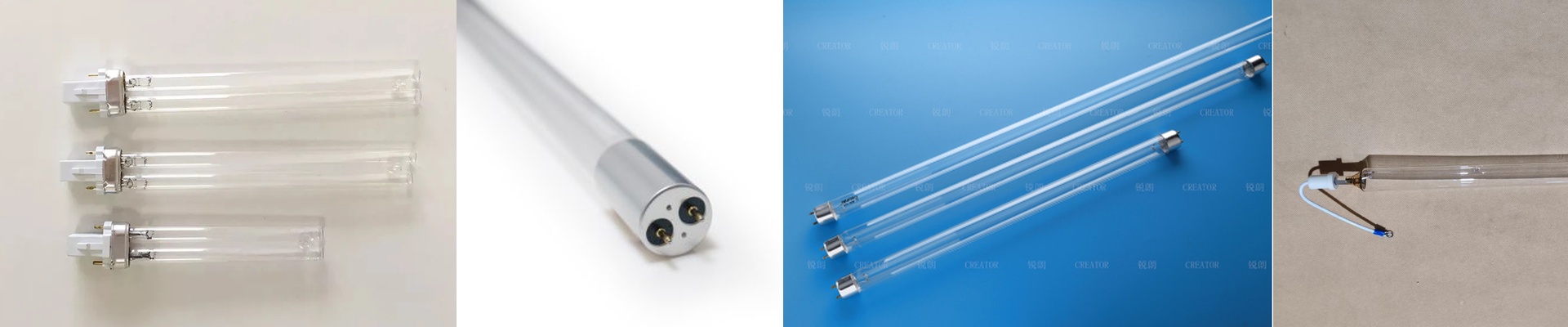
E-commerce is wild. One day you need 1,000 units, and the next month you’re scrambling for 10,000. It’s stressful. To keep you from sweating the lead times, we keep a stash of our most popular specs ready to go. This way, you don’t have to wait around for raw quartz to be sourced and shipped. Plus, we stick to drop-in replacements. Whether you use G13 or 4-pin sockets, these just slide right in. No need to rip out your wiring or rebuild your fixtures.
A Few Things to Keep in Mind
High-output bulbs get hot. Really hot. If you cram them into a tight space without any airflow, the glass expands. If it gets too hot, it can actually crack. Make sure your housing has some breathing room. And here is a pro tip: if you crank up the wattage to speed up sterilization, your cooling fans have to work harder. If they can’t keep up, you’re looking at a 20% to 30% drop in the lamp’s lifespan. It’s a trade-off, so just make sure your ventilation is on point.