Why that CE mark actually matters for your UV lamps
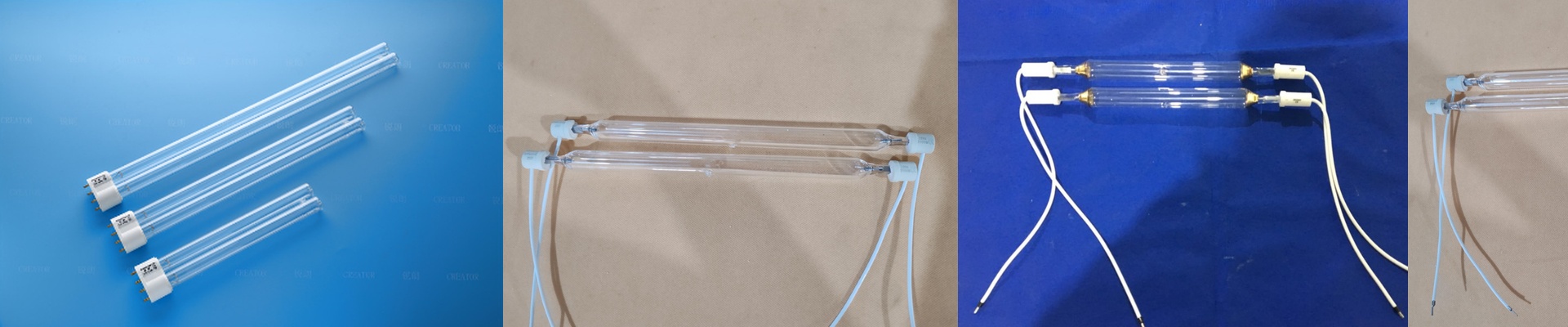
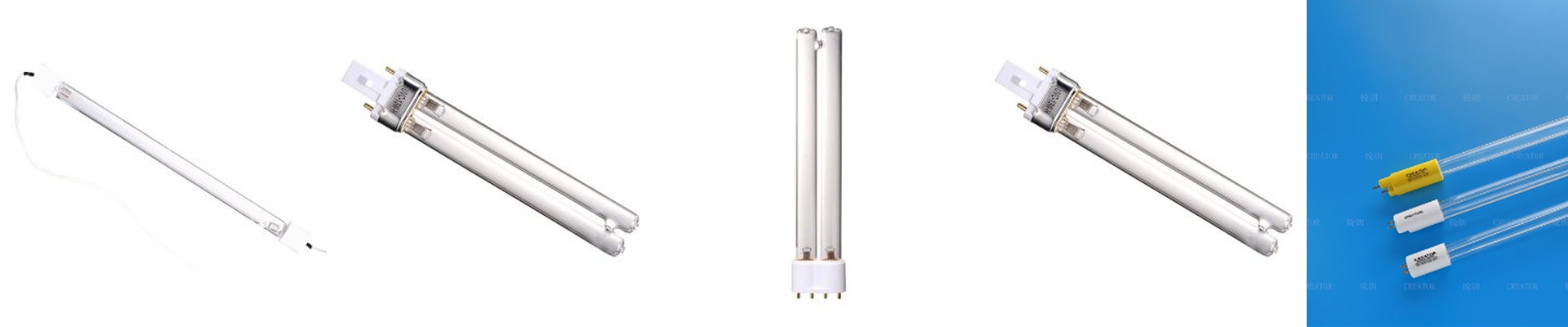
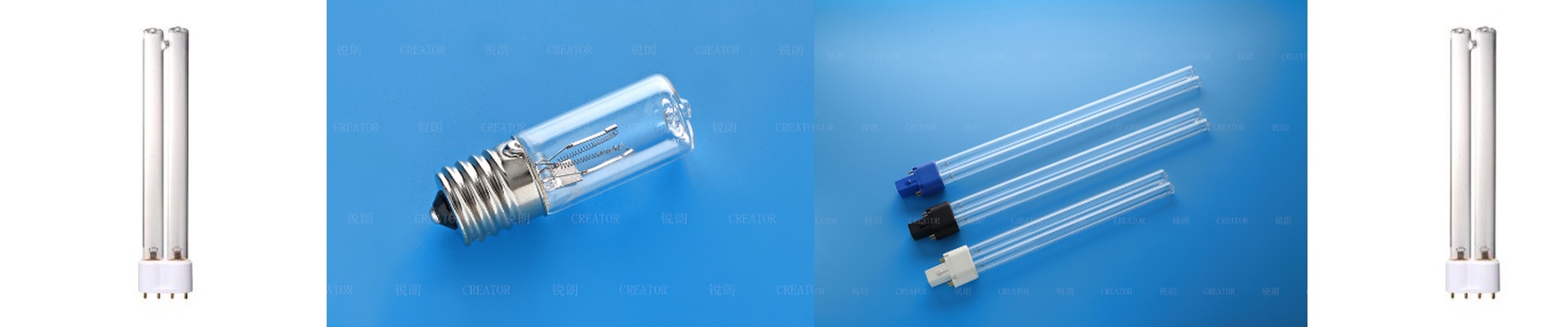
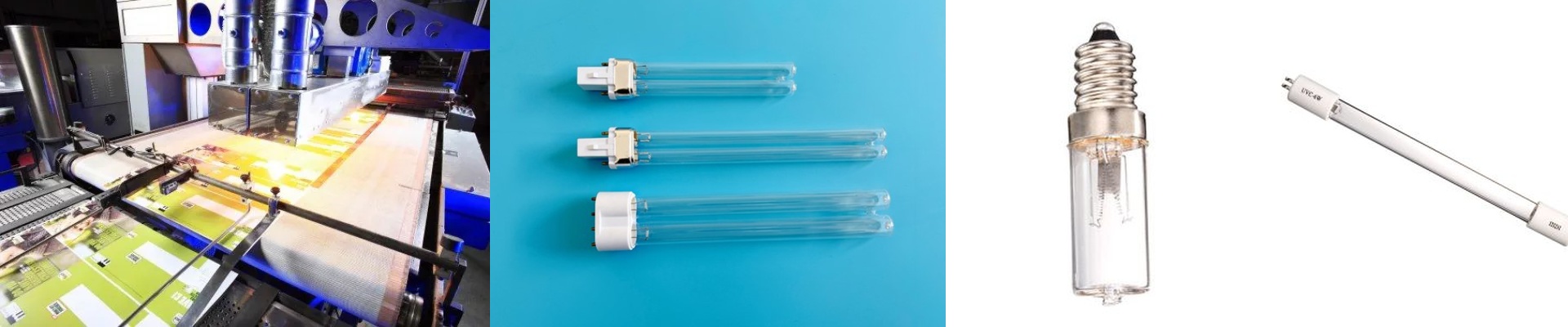
When we ship mercury UV bulbs in bulk, that little CE mark isn’t just some hoop we jump through for customs. It’s a promise. For the engineers on the floor, it means the gear is safe and won’t freak out your other electronics. If you’re trying to get your product into the EU, you need it. But more importantly? It means the lamp will actually work with your ballast and power grid without causing a headache. The gritty details Here’s the thing: mercury UV lamps deal with intense pressure and heat. If the quartz envelope has a tiny flaw or the electrodes leak, you’re looking at immediate downtime. Or worse, a hazardous mess. That’s why we obsess over the small stuff. We track the purity of the mercury and the exact thickness of the glass so the bulb doesn’t just pop the moment it gets hot. When we say a bulb is a certain wattage, we make sure it stays there. You don’t want a lamp pulling erratic current and frying your control boards. That’s a nightmare nobody needs. Don’t gamble with your gear It’s tempting to go for the non-certified bulbs to save a few bucks. But it’s a gamble. You might end up with electrical interference that trips your breakers or a flicker in the UV output that ruins your cure. CE compliance just keeps the electrical footprint stable. It makes the bulb a simple “plug and play” replacement for most high-end curing systems. The honest trade-off I’ll be real with you: sticking to these strict rules slows us down. Testing every single batch for leaks and spectral output takes hours. It puts a drag on the production line. But for anyone running a serious operation, that wait is worth it. It’s the difference between a smooth shift and a panicked call because a bulb burned out too early or failed a safety inspection. We handle the boring, tedious side of the standards so you can just turn the machine on and get to work.