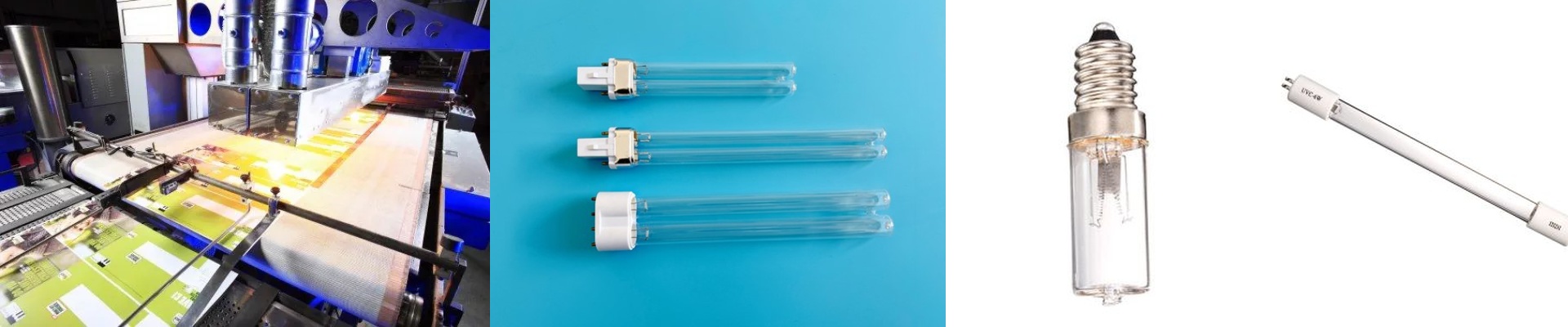
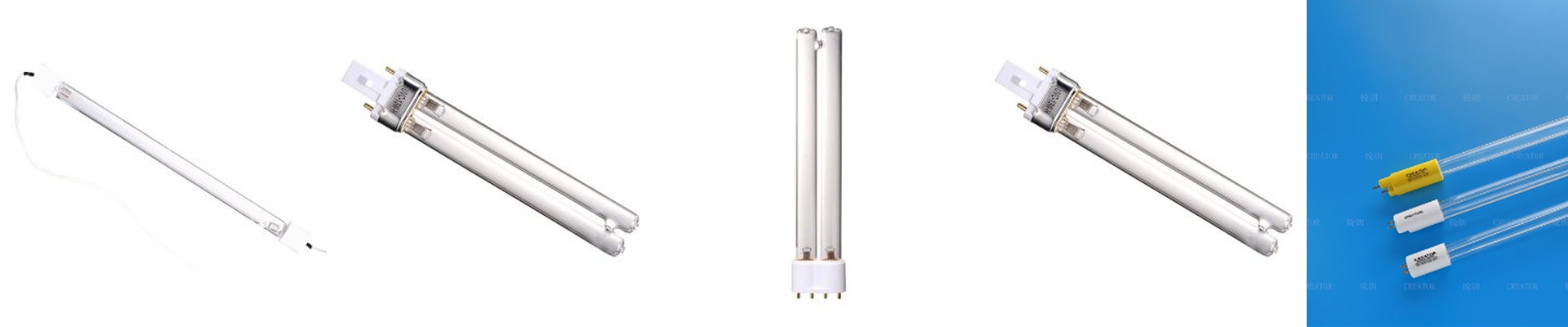
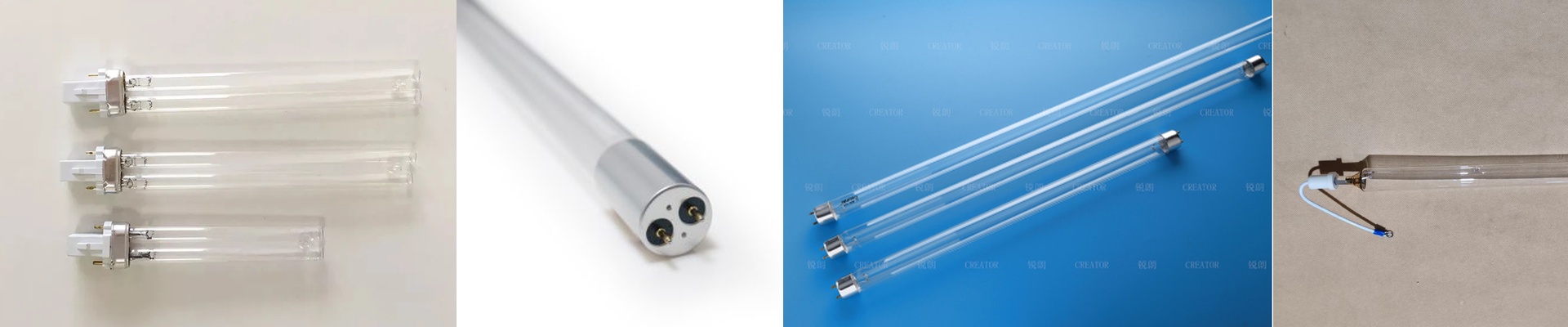
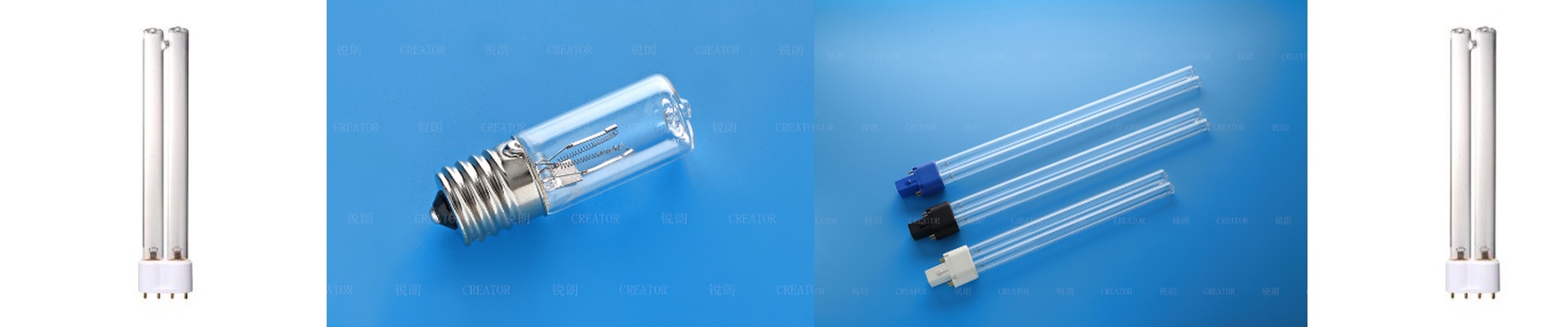
Getting the Most Out of Your Mercury UV Bulbs for Textile Printing
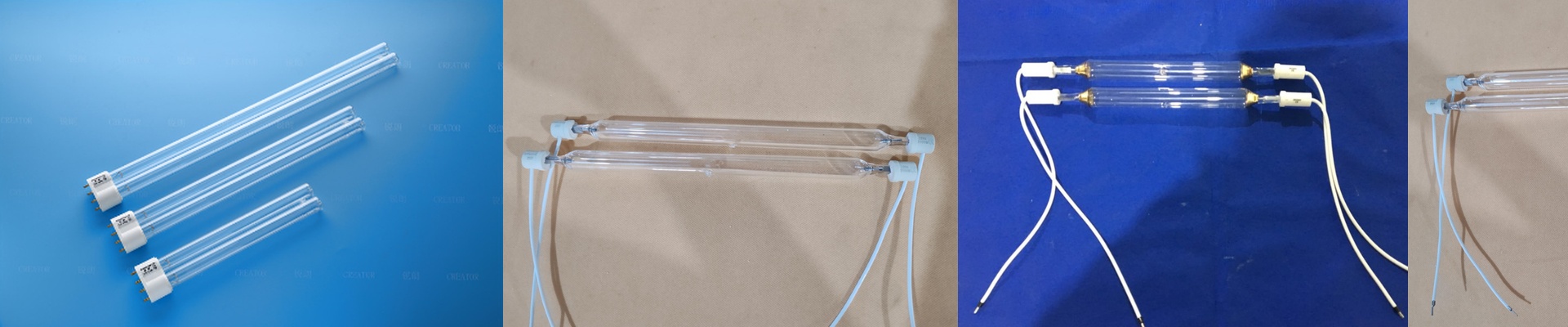
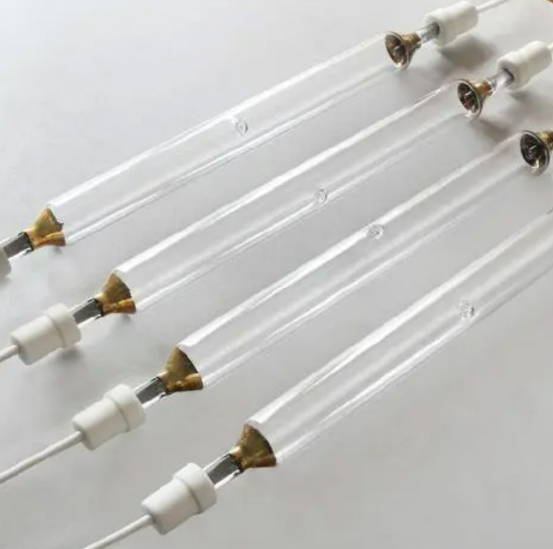
Let’s talk about mercury UV lamps. In the world of textile printing, these things are the real heavy lifters. Their whole job is to kickstart a chemical reaction in your UV-curable inks. It happens in a blink—liquid resin turns into a solid film instantly. That’s what keeps your ink from bleeding and makes sure the design actually locks into the fabric fibers instead of just sitting on top. Why mercury? It comes down to the light. Mercury vapor puts out a broad spectrum of UV light that hits exactly the right notes to wake up most photoinitiators. Inside the bulb, mercury gas gets ionized at crazy high temperatures. The result is a high-intensity beam that doesn’t just hit the surface; it digs deep into the ink layer. This is huge because it means the bottom of the ink cures just as fast as the top. No more “skinning” where the top looks dry but the bottom is still mush. Keeping things cool These bulbs live inside high-purity quartz glass. We use quartz because it doesn’t get in the way—it lets the UV radiation pass through without soaking it up. But here’s the catch: these bulbs gethot. Like, really hot. If your cooling fans are dusty or your water jackets aren’t up to the task, that quartz glass is going to suffer. You’ll either burn through the bulb way too fast or deal with “solarization.” That’s when the glass gets cloudy, blocking the UV light and leaving you with prints that just won’t dry. Making it work on your line The good news is that these are designed to be simple drop-in replacements. You wire them to the ballast, set your line speed, and you’re off. Of course, there’s always a trade-off. High-wattage bulbs give you massive throughput, but they’re power-hungry. You have to find that “sweet spot” between how intense the lamp is and how fast your conveyor is moving. If you run the line too slow? You’ll scorch the fabric. Too fast? The ink stays tacky and ruins the batch. At the end of the day, it’s all about the match. When your bulb’s light output perfectly aligns with your ink chemistry, everything just clicks. No defects, no headaches.