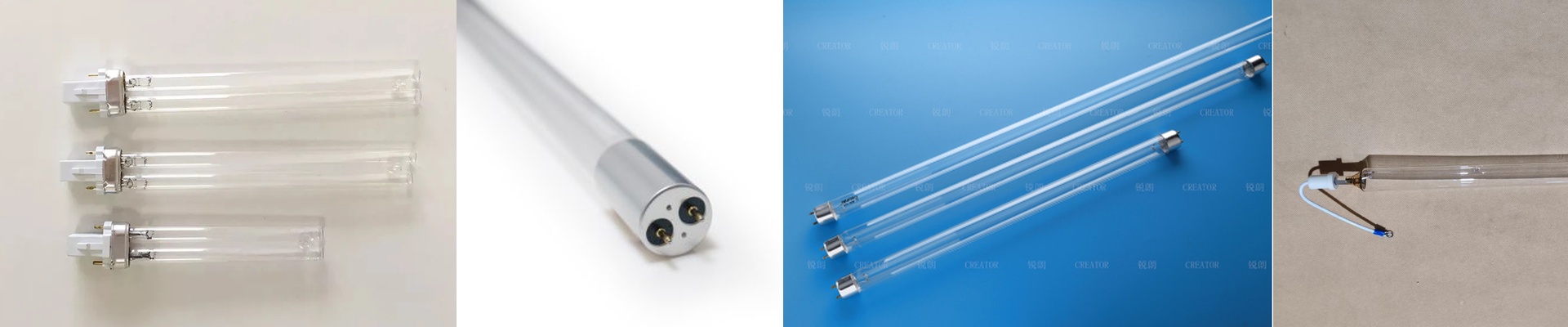
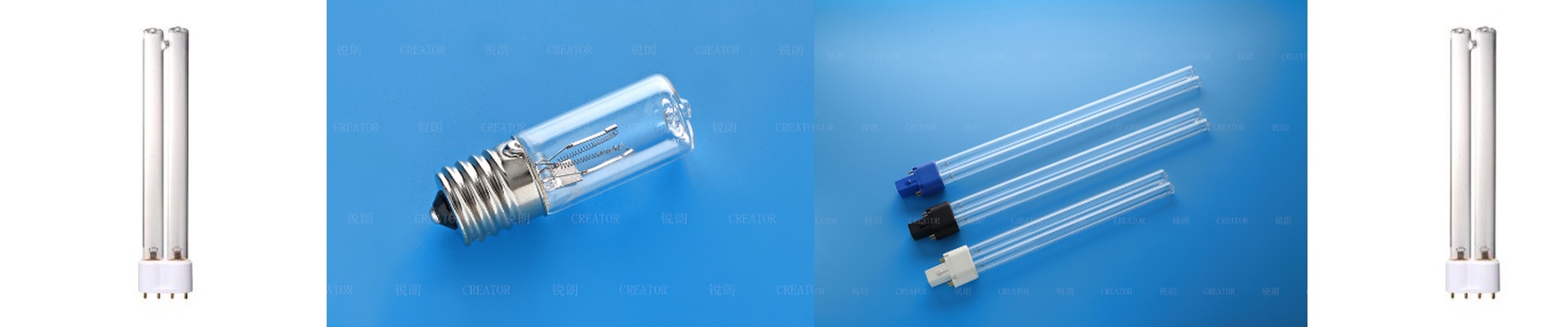
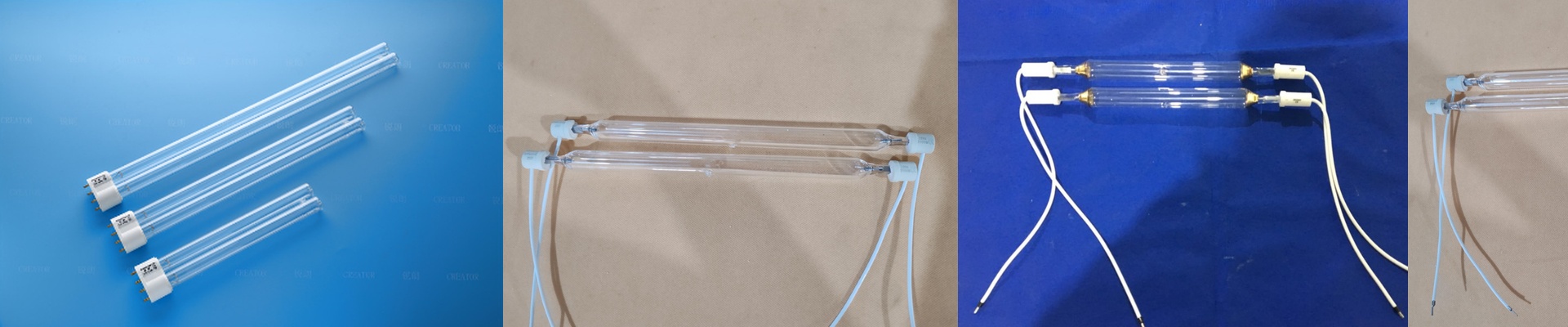
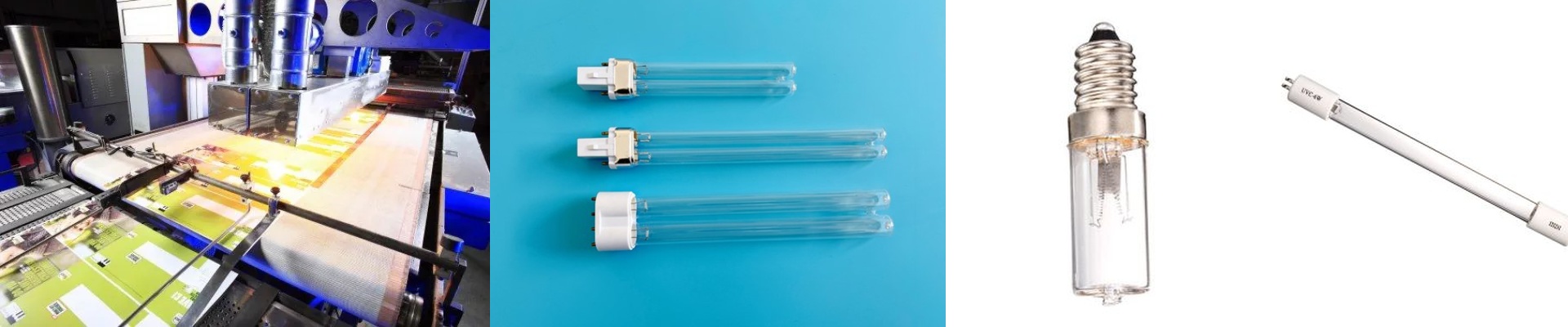
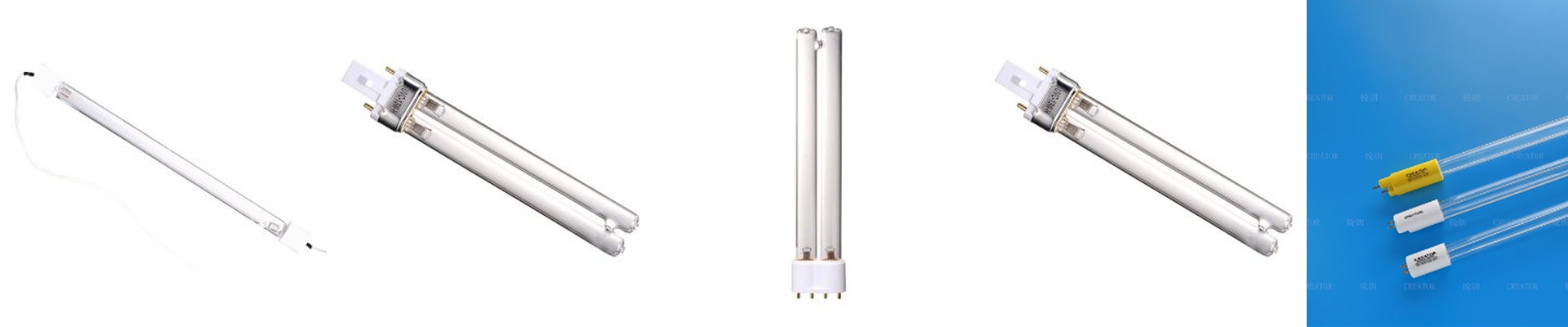
Let’s Talk About Mercury UV Bulbs
If you’ve spent any time in industrial curing, you know mercury lamps are the real workhorses. They do the heavy lifting, pumping out a broad spectrum of UV light (mostly around 254nm and 365nm) to get those inks and coatings to snap into place. But we don’t just ship you a box of spare parts and wish you luck. We’re here to help you figure out the actual numbers—the stuff that lets you push your line speed and get a deep, solid cure without the guesswork.
Getting the Power Right
Here is the thing: the way a bulb performs comes down to how wattage, voltage, and arc length play together. Want to crank up the conveyor speed? You’ll need higher wattage to increase the photon flux. It’s a simple trade-off. But you have to make sure your ballast is talking to the bulb correctly. If you under-power it, the arc gets shaky. Over-power it, and you’re basically burning through the bulb’s life for no reason. It’s all about that sweet spot.
Heat, Quartz, and Warping
We use high-purity fused quartz because it lets the most UV light through. But these bulbs gethot. Like, really hot. That heat is just part of the deal. While the UV light is busy curing your ink, the infrared (IR) side of things is heating up your material. If you’re working with plastics that can’t handle the heat, you’ve got to be smart about your cooling. Whether it’s chilled water or a blast of high-pressure air, you need a plan, or you’ll end up with warped parts and a lot of wasted material.
Keeping Things Running
The good news is these are designed to be drop-in replacements for most standard presses. They just fit. But a quick tip: make sure they’re seated perfectly in the reflectors. If they’re skewed, you’re wasting energy. And please, check your reflectors for aluminum oxidation every few months. A dirty reflector can kill your UV intensity by 20% or more. It’s a small detail that causes a huge headache. And remember, these bulbs don’t last forever. They fade. Eventually, the output drops, and suddenly your ink stays tacky. That’s a production nightmare. We can help you track those decay curves so you can swap the bulbs out on your own schedule, rather than waiting for the line to grind to a halt.